Moving Bulky Items in Tolworth Terraced Properties
Posted on 02/06/2026
Moving Bulky Items in Tolworth Terraced Properties: A Practical Guide for Safer, Smarter Moves
Moving bulky items in Tolworth terraced properties can be awkward, tiring, and a little nerve-racking if you have not done it before. Narrow hallways, tight stair turns, front steps, parked cars, and old doorframes all have a habit of making a simple sofa move feel like a small event. Truth be told, the property itself often matters more than the item.
This guide explains how to move large furniture, appliances, and awkward loads in a terraced house without unnecessary stress. You will find local-minded advice, step-by-step planning tips, a comparison of moving methods, and a straightforward checklist you can actually use. If you are still building your plan, it may help to read related guides on packing efficiently for a move and decluttering before moving day before tackling the heavy stuff.
One useful way to think about it: bulky-item moving is not just lifting. It is route planning, risk reduction, timing, protection, and having enough people and the right equipment in the right place. Get those pieces aligned and everything feels calmer. Mess them up and, well, the sofa wins.
Why Moving Bulky Items in Tolworth Terraced Properties Matters
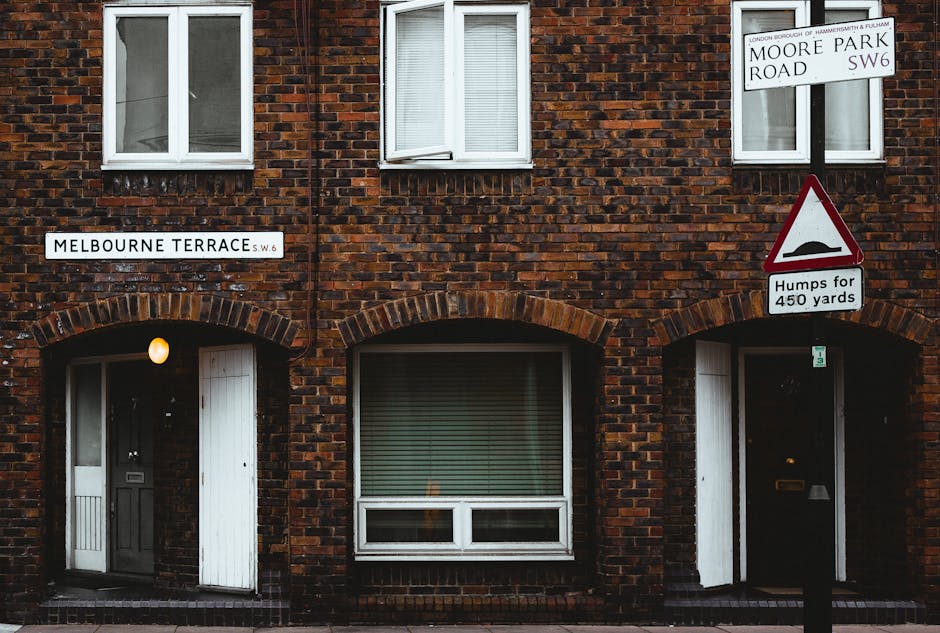
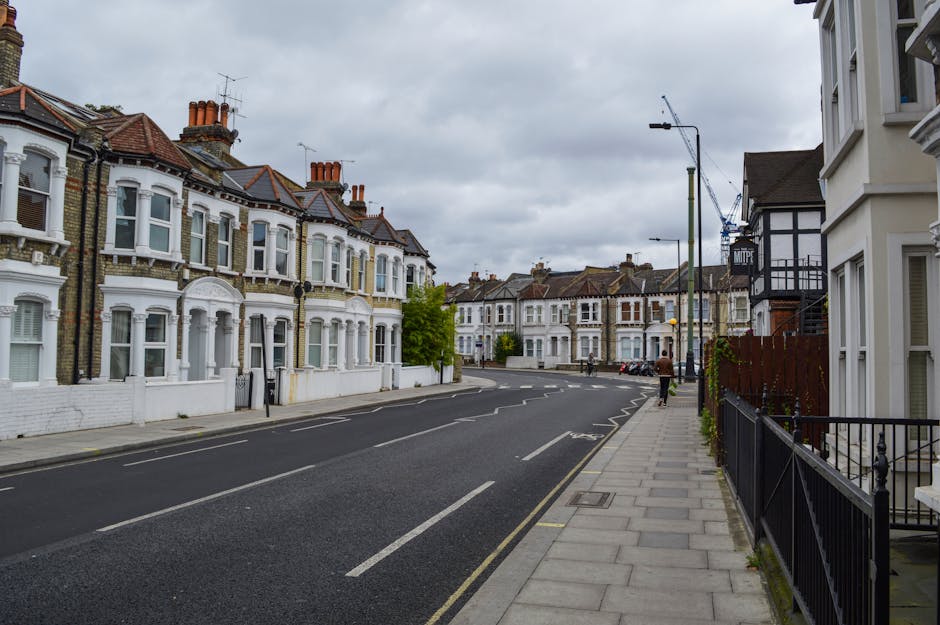
Terraced homes in Tolworth, like many London properties, often have the exact kind of access that makes moving bulky items more complicated than expected. There may be a narrow front path, limited on-street parking, tight internal stairs, or a doorway that looks generous until you try to angle a mattress through it. A bulky item can be perfectly manageable in an open-plan house and still become a real problem in a terraced property.
The stakes are not just convenience. A rushed move can lead to scraped walls, broken stair rails, damaged item corners, strained backs, and avoidable frustration with neighbours if access is blocked too long. For heavier or specialist pieces, such as pianos, the risk rises again. If that sounds familiar, our guide on the hidden costs of DIY piano moving is worth a look, because the same principle applies to other heavy items too: what seems cheaper at first can become more expensive fast.
It also matters because terraced properties tend to sit close together. That means every lift, pivot, and pause happens in a relatively confined space. There is less room to correct a bad angle. Less room to "just give it another shove." Less room, full stop. And if you are carrying something like a fridge freezer, a wardrobe, or a sofa-bed, the size of the object often reduces your margin for error to almost nothing.
Key takeaway: in a terraced property, moving bulky items well is really about protecting the home, the item, and the people doing the lifting. Not just getting it out of the door.
How Moving Bulky Items in Tolworth Terraced Properties Works
In practice, the process starts long before anyone touches the item. The most efficient moves begin with measurement, route planning, and a quick reality check. That sounds boring, but it is the difference between a clean exit and a half-hour of shuffling, sighing, and trying to wedge a sofa around a banister. Been there, done that, and nobody enjoys it.
The general workflow is usually:
- Measure the item and the route out of the property.
- Identify pinch points such as stair bends, door handles, low ceilings, and narrow hallways.
- Decide whether the item should be dismantled, wrapped, or carried whole.
- Prepare surfaces with blankets, floor protection, and corner guards.
- Assign roles so everyone knows who is guiding, lifting, opening doors, or clearing the path.
- Move slowly and communicate constantly, especially on stairs and corners.
- Load the item into the vehicle with restraint, using straps and padding so it does not shift.
That sounds straightforward, yet the details matter. A fridge may need to stay upright. A bed frame may need to be taken apart in a specific order. A sofa may need legs removed before it will clear the staircase. A piano is its own category altogether, and should not be treated like a heavy ottoman with ambition.
For many households, the smartest approach is to separate the move into stages. The item is prepared inside, moved to the threshold, guided through the narrowest part of the route, then loaded carefully into the van. If you are managing the broader move as well, it can help to coordinate with services like furniture removals in Tolworth or man and van support in Tolworth depending on how much help you need.
One local point that gets overlooked: timing. Terraced streets can be much easier early in the day when parking pressure is lighter and neighbours are less likely to be coming and going. A fifteen-minute difference can make a surprising difference. Quiet street, better access, fewer awkward compromises.
Key Benefits and Practical Advantages
Done properly, moving bulky items in a terraced property gives you more than just a safe lift. It makes the whole move feel more manageable. That alone is worth something when the rest of the day is already busy.
- Lower risk of damage: careful wrapping, measuring, and route planning reduce dents, scrapes, and broken fittings.
- Better personal safety: the right lift technique and enough people reduce strain on backs, wrists, and shoulders.
- Smoother access: planning around stairs, turns, and parking avoids frustrating stop-start movement.
- Less stress on moving day: if bulky items are handled first or in the right order, the rest of the move feels easier.
- More control over timing: you are less likely to get stuck halfway through because the item will not fit through a doorway.
There is also a practical knock-on effect. If the bulky item is the thing blocking a room, removing it early can free up space for packing, cleaning, or staging smaller boxes. For example, once a sofa or wardrobe is out, you suddenly have room to stack items safely or sweep properly. This is why a good move often starts with the largest object, not the smallest.
If you are moving out of a property and want the place left tidy too, it can help to pair heavy-item planning with a sensible cleanup plan such as move-out cleaning solutions. Two jobs, one calmer workflow.
Who This Is For and When It Makes Sense
This topic is relevant for a lot of people, not just those moving house. If you live in a Tolworth terraced property, you may need bulky-item moving help when replacing a sofa, shifting a wardrobe between rooms, moving white goods, or clearing a property before sale or rental changeover.
It makes sense for:
- homeowners preparing for a full house move
- tenants moving in or out of compact terraced homes
- students with large beds, desks, or storage furniture
- families replacing old furniture with new deliveries
- people who need a same-day solution for a last-minute item move
- anyone who cannot safely lift heavy objects alone
If you are dealing with a smaller property, stairs, or awkward turns, specialist help becomes more useful very quickly. The same goes for anyone moving on a tight timetable. Sometimes the issue is not the weight itself. It is the shape, the route, or the time pressure. That is especially true in compact London streets where parking and access can shift during the day. For a more local angle, our article on KT5 estate access problems is a good companion read.
And if you are wondering whether it is worth arranging support for a single bulky item, the answer is often yes. A sofa may not look like much when it is sitting still in the lounge. Get it to a staircase, though, and suddenly it has opinions.
Step-by-Step Guidance
Here is the most reliable way to approach bulky-item moving in a terraced property. Keep it calm, keep it methodical, and do not rush the first inspection.
1. Measure everything before moving anything
Measure the item first, then the doorways, hallways, stair widths, landings, and any bend in the route. You are looking for the narrowest point, not the widest one. If possible, measure diagonals too, because sometimes an item fits only when tilted.
2. Clear the route completely
Remove shoes, mats, small tables, lamps, plant pots, and anything that could catch a foot or snag the item. Open internal doors fully and secure them so they do not swing shut. If you have children or pets in the property, keep them away from the path. Obvious? Yes. Easy to overlook? Also yes.
3. Decide whether to dismantle the item
Many bulky items are easier to move once partially dismantled. Beds, wardrobes, tables, and some sofas often benefit from leg removal, shelves being taken out, or frames being separated. If you are planning a bed move, bed and mattress moving strategies can be very useful for avoiding damage and making the route simpler.
4. Protect the property and the item
Use blankets, moving covers, corner guards, and tape where appropriate. The aim is not to make the item look pretty. The aim is to stop friction, knocks, and chipped paintwork. Hallway walls and bannisters are particularly vulnerable in terraced homes because the movement happens close to the surface.
5. Use correct lifting and coordination
Lift with the legs, keep the load close, and move in short controlled steps. On stairs, one person should guide, not just push. Clear communication matters more than strength in many cases. For heavier loads, it may be useful to read about kinetic lifting techniques because good body mechanics can reduce wasted effort.
6. Load the van sensibly
Bulky items should be secured so they do not slide or tip during transit. Use straps where appropriate and place softer items around harder ones to reduce movement. If the load is mixed, heavy items usually go low and stable, with fragile pieces protected separately.
7. Check the destination before unloading
It sounds obvious, but it is worth saying. The new property may have a different staircase angle, tighter landing, or less forgiving doorway. Do not assume a successful exit means an easy entry. Terraced properties have a way of keeping you honest.
Expert Tips for Better Results
In our experience, the difference between a difficult bulky-item move and a fairly smooth one comes down to small decisions made early.
- Start with the hardest item first: if the largest object can be moved safely, the rest of the day often feels easier.
- Use two people for awkward pieces: even when the item is not extremely heavy, shape and balance can make solo lifting a bad idea.
- Take doors off if needed: sometimes that extra inch is the difference between a clean move and a scratched frame.
- Protect corners twice, not once: stair corners and hallway bends are where most accidental knocks happen.
- Keep tools within reach: screwdrivers, tape, and straps should not be buried in the van or packed in a mystery box.
- Leave time for a second attempt: if a route fails, pause and rethink it rather than forcing the issue.
A small but handy tip: take a photo of the item before dismantling it. Not glamorous, but it saves a lot of head-scratching later when you are trying to remember which bolt went where. Spontaneous memory, under moving-day pressure, is not always brilliant.
If the bulky item needs storage before or after the move, make sure it is protected correctly. Our guide on sofa storage techniques and the practical notes on storage in Tolworth can help you avoid the common mistake of wrapping an item badly and discovering the consequences weeks later.
Common Mistakes to Avoid
Most problems with bulky-item moves are predictable. That is the good news. The bad news is they are still easy to make if you are tired or in a rush.
- Underestimating the doorway: an item that looks fine in the room may fail at the final turn.
- Forcing the lift: if it does not fit, do not keep pushing. Stop and reassess.
- Using too few people: one confident person and one reluctant helper is usually not enough for bulky furniture.
- Skipping floor protection: heavy items dragged across wood or laminate can leave very visible marks.
- Ignoring parking and access: if the van cannot get close enough, the whole move becomes longer and harder.
- Poor packing order: if the bulky item is buried behind boxes, you waste time clearing access at the exact moment you need speed.
Another common issue is trying to do everything at once. A move is not made better by everyone crowding the staircase. In fact, it gets worse. One or two people should lead; the others should wait for instruction. A bit of discipline here goes a long way.
If you know your access is tight or your street is especially narrow, it helps to think ahead about local movement patterns. The article on narrow Tolworth street access gives a useful sense of how these local constraints affect planning.
Tools, Resources and Recommendations
You do not need a warehouse full of gear to move bulky items well, but a few basic tools make a real difference.
| Tool or Resource | What It Helps With | Best Use Case |
|---|---|---|
| Furniture blankets | Protecting surfaces and item edges | Sofas, wardrobes, tables, appliances |
| Straps | Stabilising loads during lifting or transit | Stairs, van loading, heavy awkward items |
| Gloves with grip | Improving hold and reducing slips | Metal frames, boxes, fridge handles |
| Furniture sliders | Moving items across floors with less drag | Short indoor repositioning before lifting |
| Basic dismantling tools | Removing legs, shelves, or fittings | Beds, wardrobes, dining tables |
| Clear packing labels | Identifying parts and accessories | Disassembled furniture or mixed loads |
In terms of services, it is worth comparing the level of support you actually need. A standard man with a van in Tolworth setup may suit a single bulky item or a small move. For a larger household load, removal services in Tolworth or a broader removals Tolworth option may be more sensible.
If you are choosing between providers, it can also be useful to read about the company's approach to insurance and safety and their health and safety policy. Those pages tell you a lot about how seriously a mover treats risk. Not the glamorous part, maybe, but the important part.
Law, Compliance, Standards, or Best Practice
For most domestic bulky-item moves, there is no special legal hurdle that changes the basic process, but there are still good standards and sensible duties to keep in mind. In the UK, safe lifting practice, proper manual handling, and care for property damage are all part of responsible moving work. If you are arranging help through a removal company or van service, you should expect them to work carefully, communicate clearly, and avoid unnecessary risk.
Best practice usually includes:
- planning the move before lifting begins
- using enough people for the item and route
- protecting walls, flooring, and the item itself
- securing items properly in transit
- being honest about limitations if a lift is too risky
If the move involves stairs, tight angles, or especially heavy items, a cautious approach is always better than bravado. There is nothing heroic about a strained back on a Tuesday morning. The sensible answer is usually to slow down, get help, or change the method.
It is also worth checking the terms and conditions of any booked service, along with practical pages such as terms and conditions, payment and security, and privacy policy. These are not just formalities; they help you understand expectations before moving day arrives.
Options, Methods, or Comparison Table
There is more than one way to move bulky items. The best choice depends on the weight, the shape, the access, and how much time you have.
| Method | Best For | Pros | Drawbacks |
|---|---|---|---|
| DIY with friends | Light-to-moderate bulky items, simple access | Flexible, low direct cost | Higher risk of injury or property damage, often slower |
| Man and van support | Single bulky items, short moves, quick collection | Practical, usually straightforward, less stress | May not suit very complex or specialist items |
| Full removals service | Multiple bulky items or whole-home moves | More support, better coordination, useful for difficult access | Usually more involved to arrange |
| Specialist handling | Pianos, antiques, unusually heavy or fragile items | Best protection, expert handling | Requires more planning and may cost more |
For a smaller move, a flexible vehicle and a few helping hands can be enough. For a more complicated terraced-property move, though, the extra coordination of a better-equipped service can save a lot of trouble. If you are on a tight deadline, you might also compare this with same-day removals in Tolworth or the planning notes in same-day removals costs and options.
Case Study or Real-World Example
Here is a realistic example from the kind of job that often comes up in a terraced street. A couple needed to move a three-seater sofa, a double mattress, and a fridge freezer out of a Tolworth terraced house before a new delivery arrived later that day. Nothing unusual on paper. In the house, though, the stairs turned sharply at the landing and the front path was narrow enough that the sofa could not be carried level all the way.
The first step was measuring the sofa, the doorway, and the stair bend. That showed the legs needed to come off before any lifting began. The fridge freezer was emptied the day before, unplugged early, and left ready to move in a safe position. The mattress was wrapped so it would not scrape against the wall. Simple enough. Not easy, but simple.
What made the difference was the sequence: clear route, remove obstacles, protect walls, dismantle where possible, then move each item one at a time rather than trying to bundle the job together. The move took a little longer than expected, but it avoided damage and did not leave anyone gasping on the stairs. To be fair, that is the goal. Not speed for its own sake. Controlled progress.
This kind of scenario is also where packing discipline helps. If smaller items are already labelled and boxed, the bulky item can be moved first without creating a mess behind it. For a fuller plan, see organised packing methods and keeping the house move calmer overall.
Practical Checklist
Use this checklist before moving bulky items in a Tolworth terraced property. It is intentionally simple, because moving day already gives you enough to think about.
- Measure the item and every tight point on the route
- Check whether the item can be dismantled
- Confirm who will help with lifting and guiding
- Clear the hallway, stairs, and front entrance
- Protect floors, corners, and banisters
- Prepare straps, blankets, tape, and tools
- Plan parking and vehicle access in advance
- Label any removed parts, bolts, or fittings
- Decide the order in which items will leave the property
- Check that the destination can accept the item safely
- Keep children and pets away from the moving path
- Do not force a lift if the route is clearly wrong
If your bulky item is going into storage, make sure the storage plan fits the item too. Appliance advice such as storing a freezer when it is not running and maximising freezer storage space can help prevent avoidable damage and wasted space.
Get a free quote today and see how much you can save.
Conclusion
Moving bulky items in Tolworth terraced properties is rarely about brute strength. It is about preparation, patience, and knowing when to ask for help. Once you account for narrow access, stairs, turn angles, and the quirks of older homes, the whole task becomes much easier to manage. A little planning up front can save a lot of hassle later, and a lot of clumsy shuffling in the doorway.
Whether you are moving a sofa, mattress, wardrobe, or something more awkward, the safest path is usually the most measured one. Measure carefully, protect the property, use the right tools, and pick the moving method that suits the item rather than hoping for the best. That approach keeps the day steadier and the result cleaner. And honestly, that is what most people want at the end of a move: a quieter finish, no drama, and a room that finally feels ready for the next chapter.