Hook Rise South Moves: Access for Narrow Tolworth Streets
Posted on 06/05/2026
Moving in Tolworth can look simple on a map and turn awkward the moment a van meets a tight turn, a parked car, or a street that feels just a bit too narrow for comfort. That is exactly why Hook Rise South Moves: Access for Narrow Tolworth Streets deserves more than a quick guess and a hopeful shrug. The challenge is not just getting from A to B. It is planning a move that fits the street, the property, the vehicle, and the real-world conditions on the day.
In practice, a good narrow-street move is about reducing friction before it becomes a problem. That means checking access, choosing the right vehicle, timing the arrival, protecting neighbours' space, and making sure lifting and loading happen safely. It also means knowing when a man with a van in Tolworth, a larger removal van, or a full removal service is the better fit. Truth be told, narrow streets punish poor planning more than heavy furniture does.
This guide breaks down how access-focused moving works, why it matters, and what to do before moving day so the whole job feels calmer, safer, and a lot less chaotic. We will also cover local-practical details, common mistakes, and the small decisions that make a big difference when space is tight. A bit of prep goes a long way.

Why Hook Rise South Moves: Access for Narrow Tolworth Streets Matters
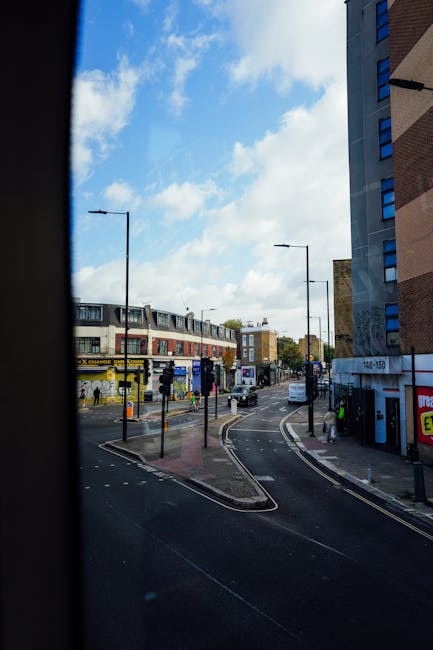
Narrow streets change the entire moving equation. A route that works for a family car may be a headache for a loaded van, and a driveway that looks usable in daylight can feel very different when a vehicle is angled for loading. In parts of Tolworth, access can be constrained by parked cars, turning space, low-hanging branches, tight corners, busy school-run traffic, or neighbours already using the same limited kerb space. None of that is unusual, but all of it affects the move.
This matters because access problems create knock-on effects. A vehicle that cannot park close enough means longer carrying distances. Longer carries increase time, effort, and the chance of damage to items, walls, or door frames. They also increase stress. And let's face it, moving day already has enough of that.
For homes in compact streets or flats with shared entrances, access planning can be the difference between a smooth job and a day of constant improvisation. It is also one reason people look for local expertise rather than a generic moving offer. A team that understands house removals in Tolworth or flat removals is better placed to judge whether your street needs a smaller van, a staggered loading plan, or a quicker early-morning start before traffic builds.
Access also matters for neighbours and the wider street. A well-managed move is less likely to block driveways, upset residents, or force repeated repositioning of a van. In a tight residential area, that counts for a lot. A sensible plan shows respect for the street, not just your own front door.
Expert summary: When the road is narrow, the move is no longer just about transport. It becomes a logistics exercise: measure, plan, load, park, carry, and communicate in the right order.
How Hook Rise South Moves: Access for Narrow Tolworth Streets Works
The practical process starts before the van arrives. Ideally, access is checked from the street viewpoint and from the property itself. That includes curb width, turning angles, slope, the position of lamp posts or bins, and whether there is any real place to stop without causing a problem. If there is uncertainty, a quick call or photo exchange can save a lot of guesswork.
Once access is understood, the move is matched to the conditions. Sometimes that means using a smaller vehicle or a man and van service for flexible street access. In other cases, a larger team or a scheduled same day removals slot is better because speed matters more than volume. The right answer depends on the street, the size of the load, and the floor level of the property.
Good access planning also means arranging the load order. Items needed first should be loaded last so they are easiest to reach at the destination. Bulky items such as wardrobes, sofas, or beds often require extra space management, and packing needs to reflect that. If you are still at the sorting stage, the advice in organized and efficient ways to pack when moving is genuinely useful here because a narrow-street move rewards tidy packing more than almost anything else.
There is another detail people sometimes miss: access is not only about the outside. Hallways, stairwells, and front doors matter too. A van might fit the street but still not make the job easy if the sofa has to be tilted through a tight stair bend. For larger items, reading furniture removals in Tolworth guidance can help you think through dimensions, handling, and the order in which items leave the property.
In a real move, the team may also plan for a short carry zone, careful edge protection, and a sequence that keeps foot traffic clear. It sounds simple. It isn't always simple. But that is the point: simple-looking streets can become complex when a van door opens and the first awkward item comes out.
Key Benefits and Practical Advantages
Getting narrow-street access right offers benefits that are easy to feel on the day, even if they are harder to measure on paper.
- Less time lost to repositioning: a van parked well the first time avoids constant shuffling.
- Lower damage risk: shorter carry distances and safer angles reduce knocks and scrapes.
- Better loading efficiency: the crew can work steadily rather than waiting for space.
- Less neighbour disruption: fewer blocked drives and less street congestion.
- More predictable pricing: a well-scoped job is less likely to overrun because of access surprises.
- Reduced physical strain: the team can move in safer, more controlled lifts.
There is also a mental benefit, which people underestimate. When the access plan is clear, the whole day feels less open-ended. You know where the van is going, how long the carry is likely to be, and what needs to happen first. That calmness matters. Moving is emotional enough without the added drama of guessing whether the van can even make the turn.
For renters and students, access efficiency can make a surprisingly big difference. A smaller move, perhaps supported by student removals in Tolworth, may be completed quickly if the loading point is chosen well. For office moves, the same logic applies but the stakes are different: there are more items to stage, more timing pressure, and often tighter building access. In those cases, office removals experience can be especially valuable.
Another practical advantage is better use of staff skill. If access is planned properly, the crew spends more time moving items safely and less time solving avoidable problems. That is good for the job, good for the items, and better for your nerves.
Who This Is For and When It Makes Sense
This type of move is for anyone dealing with limited street width, awkward parking, or tight property access in Tolworth. That includes residents in terraced streets, maisonettes, converted flats, small estates, and homes where the closest legal stopping point is still a fair walk away.
It makes sense if you are moving:
- from a narrow residential road with parked vehicles on both sides
- into a flat with stairs, shared entrances, or limited loading space
- with large furniture that needs careful handling
- on a deadline, such as a tenancy handover or same-day move
- with fragile or awkward items like a piano, freezer, or bed frame
If your move includes difficult items, it can help to think beyond the street itself. For example, pianos can be especially unforgiving in tight access conditions, which is why many people prefer specialist support and avoid DIY risk. The reasoning behind the hidden costs of DIY piano moving is relevant even if you are not moving a piano, because it shows how quickly one heavy, awkward item can change the whole plan.
Likewise, if your move involves a sofa that has to pass through a narrow entrance, or a mattress that needs protected handling, a little item-specific planning helps. You might find the thinking in securing your sofa's future and bed and mattress strategies surprisingly practical, even if you are only using the ideas for transport rather than storage.
To be fair, some moves do not need a full access plan. If you live on a wide road with easy parking and no height restrictions, things may be straightforward. But if you are reading this because the street already feels awkward just by looking at it, then yes, this kind of planning absolutely makes sense.
Step-by-Step Guidance
Here is a practical way to approach a narrow-street move without letting the details run away with you.
1. Assess the street first
Walk the route from the nearest sensible stopping point to the property. Look for turns, parked cars, low branches, road width, and where a van could actually sit without causing a bottleneck. If the road is especially tight, take a few photos. Simple, but useful.
2. Measure the awkward items
Measure the width, height, and depth of sofas, mattresses, wardrobes, appliances, and anything with odd angles or protruding handles. Write the measurements down. A tape measure saves time, and yes, it is more reliable than eye-balling it while standing in the hallway.
3. Decide on the right vehicle size
Small-access streets often work better with a more compact van or a flexible removal van arrangement rather than a larger lorry-style setup. The best option depends on load size, parking conditions, and how far items must be carried.
4. Sort and declutter before moving day
Less clutter means less loading time and fewer trips. That is especially helpful when access is tight. If you want a practical nudge, decluttering before a move can make the whole operation cleaner and cheaper-looking, which is no bad thing.
5. Pack in a logical order
Label boxes clearly, group fragile items together, and keep essentials separate. The article on packing and boxes in Tolworth is a useful companion here, especially if you are trying to avoid the classic "where did we put the kettle?" moment.
6. Reserve the access window
If the street gets busy, aim for a time when it is less likely to be clogged by school runs, deliveries, or commuter parking. A morning slot can help. Sometimes a few minutes earlier makes the whole thing less messy.
7. Protect the property and the load
Use covers, blankets, corner protectors, and strap systems where appropriate. This is where moving experience really shows. The job is not just getting furniture out; it is getting it out without adding extra repair work to your week.
8. Keep communication open
If the access changes on the day, say so quickly. A blocked road, a van that cannot stop as planned, or an unexpected neighbour issue can usually be worked around if everyone knows early. The awkward part is usually silence, not the problem itself.
Expert Tips for Better Results
Small choices create big differences in narrow access moves. Here are the tips that tend to matter most in the real world.
- Take one extra photo of the street than you think you need. The angle that looks unhelpful on your phone might be exactly what the team needs to assess access.
- Keep the heaviest items closest to the exit point inside the home. That shortens the carry and reduces back strain.
- Use colour-coded labels if there are multiple rooms. It sounds basic, but it helps when you are moving fast.
- Strip beds and disassemble furniture early. Do not wait until the van is outside and everyone is standing around with a screwdriver.
- Protect floors before the first item moves. Hallway damage often starts with one hurried step.
- Check where the van door will open. On narrow roads, even opening space matters. People forget that bit.
If you are moving awkward or heavy items, lifting technique matters too. The concept behind kinetic lifting is worth understanding because momentum, balance, and controlled movement can help with safer handling. It is not about showing off. It is about making one hard job feel a bit more manageable.
Another useful habit is to stage items near the exit in the order they will be loaded. That means no repeated backtracking through a tight hallway. Repetition in a narrow home gets tiring very quickly. By the third or fourth carry, you will notice every small delay.
And here is a slightly old-school tip that still works: have tea, water, and a clear bin bag ready. Not glamorous. Very effective.
Common Mistakes to Avoid
Most access problems come from assumptions. People assume the van will fit, the parking will be fine, or the sofa can simply be "angled a bit more." Usually that confidence lasts until the first awkward turn.
- Underestimating the street width: a road that seems fine for cars may be poor for loading.
- Forgetting about parked vehicles: access can change overnight depending on neighbours and visitors.
- Not measuring bulky furniture: guesswork creates last-minute stress and sometimes damage.
- Loading in the wrong order: essentials buried under heavy boxes are a pain at the other end.
- Ignoring stair bends and door frames: these are often the real bottlenecks.
- Leaving decluttering too late: clutter adds weight, time, and decision fatigue.
- Choosing a vehicle that is too large: bigger is not automatically better on narrow streets.
There is also a human mistake: trying to do too much in one go. People often push through the entire move without pausing to reassess access when conditions change. If a van cannot park where expected, adjust the plan. Do not double down on a bad setup just because you already started. That's how small problems get loud.
For bulky or tricky items, a safer route is often to rely on service pages that match the item type, such as piano removals for specialist handling or a focused storage solution in Tolworth if the timing of your move needs a bit of breathing room.
Tools, Resources and Recommendations
You do not need a van full of specialist kit to manage a narrow street move, but a few tools and resources make a noticeable difference.
- Tape measure: for furniture, doorways, stair widths, and access points.
- Phone camera: for recording street access, parking restrictions, and awkward corners.
- Furniture blankets and covers: to protect finishes during tight manoeuvres.
- Straps and trolleys: especially useful for heavier loads and longer carries.
- Labelled boxes: to keep loading and unloading efficient.
- Floor protection: cardboard runners or protective covers for halls and landings.
For planning and preparation, a few site resources are worth using early rather than late. If you want to understand service scope first, start with the services overview. If price clarity is your next concern, the pricing and quotes page can help you understand how jobs are typically approached. And if you want reassurance around security and payment, the site's payment and security information is a sensible read before booking.
There are also support pages worth having in the background. The company's health and safety policy, insurance and safety information, and about us page can help you judge how seriously the team treats planning and care. That matters more than people sometimes realise. A good move is rarely lucky. It is prepared.
Law, Compliance, Standards, or Best Practice
For domestic moves in the UK, there is not one single rulebook that governs every narrow street situation, but there are clear best-practice expectations. The main ones are common sense, safe handling, and respect for local access conditions. In practical terms, that means avoiding unnecessary obstruction, not blocking driveways, and being mindful of pedestrians, residents, and other road users.
If a move requires parking considerations, the relevant local conditions should be checked in advance. Councils and streets can differ, so it is safer to treat parking and loading as location-specific rather than assuming one rule applies everywhere. If permits or restrictions are relevant, confirm them directly rather than relying on hearsay from a neighbour who "thinks it should be fine."
From a safety angle, proper lifting technique, adequate team numbers, and suitable equipment are part of standard professional practice. Heavy or awkward items should not be forced through spaces that are too tight. If the route is unsafe, the route should change. That is the sensible approach, even if it takes a few extra minutes.
If you are comparing service providers, look for practical indicators of care: clear communication, transparent booking terms, sensible insurance information, and a willingness to discuss access honestly. The pages on terms and conditions, privacy policy, and complaints procedure may seem like background reading, but they tell you a lot about how a business is run. Not thrilling, granted. Still useful.
Finally, sustainability can be part of best practice too. If you are reducing waste before a move, or deciding what to keep in storage, the company's recycling and sustainability approach is worth checking. A tidy, low-waste move is often the easiest one to manage.
Options, Methods, or Comparison Table
When access is tight, the right moving method depends on the street, the load, and how much flexibility you have. Here is a simple comparison to help frame the choice.
| Method | Best for | Strengths | Limitations |
|---|---|---|---|
| Man and van | Smaller homes, flats, flexible access | Easy to position, often quicker on narrow roads | Limited capacity for larger households |
| Removal van | Medium loads, planned moves, mixed furniture | Better capacity, more efficient for multiple items | May be harder to park in very tight streets |
| Full removals service | Larger properties, complex access, heavier items | More hands, better coordination, less lifting for you | Requires more planning and usually more cost |
| Same-day support | Urgent moves, last-minute changes | Fast response, useful when timing is tight | Less time for advance preparation |
For a narrow Tolworth street, the best method is usually the one that balances access and load volume without creating parking trouble. A smaller vehicle can sometimes beat a larger one even if the larger van looks more impressive. Bigger is not always the answer. In fact, sometimes it is the problem.
If you are unsure, a quick discussion with a local provider can prevent overbooking the wrong kind of vehicle. That is particularly helpful for flat moves, where access may already be constrained by stairs, communal entry points, or limited stopping space near the building.
Case Study or Real-World Example
Imagine a family moving from a terraced street in Tolworth where parking is tight on both sides and the closest space is two houses away. The home contains a sofa, two beds, a dining table, several packed boxes, and a freezer that needs careful handling. On paper, it looks manageable. On the street, it is a bit less charming.
Instead of sending a large vehicle straight into the road and hoping for the best, the move is planned in layers. First, the team checks where the van can stop without blocking access. Next, the heaviest furniture is disassembled where possible. Boxes are packed so the essentials are easy to unload first. Then the loading starts with the awkward items placed in the safest order for the route and the destination.
The key win here is that the family does not waste time waiting for a perfect parking space that never appears. A smaller loading window and a sensible route reduce friction. The freezer, beds, and sofa are handled with proper care, and the whole move finishes without the panicky "we'll just make do" energy that so often happens when access is left to chance.
A similar approach works for students and flat sharers. With less furniture but tighter schedules, a compact plan can make a surprisingly big difference. In one case, the job is about physical access; in the other, it is about speed and simplicity. Same principle, slightly different pressure.
Practical Checklist
Use this checklist before moving day. It is basic, but it catches the things people forget when they are rushed.
- Measure key furniture and any tight doors or stair turns.
- Check where a van can legally and safely stop.
- Take photos of the street and access points.
- Confirm whether parked cars may block loading space.
- Disassemble beds, tables, or other awkward furniture in advance.
- Label all boxes clearly by room and priority.
- Set aside essentials you will need first at the new property.
- Protect floors, walls, and corners before lifting begins.
- Keep pathways clear inside the property.
- Confirm contact details and timing with the moving team.
- Review insurance and safety information if the items are high-value.
- Have a backup plan if the street is busier than expected.
If you are storing anything between properties, especially bulky pieces, you may also want to look at maximising space when storing a freezer and the broader guide on storing your freezer when it is not running. Those details matter more than people think, especially when timing is messy and access is already constrained.
Conclusion
Hook Rise South Moves: Access for Narrow Tolworth Streets is really about making a difficult environment feel ordinary. Not magical. Just organised. When the street is tight, the best results come from realistic planning, honest vehicle choice, good packing, and a team that knows how to move carefully without wasting time.
The nice thing is that most access issues can be reduced long before the van arrives. A few measurements, a few photos, and a bit of thought about the street layout can save a lot of lifting, waiting, and second-guessing. That is the quiet value here. Less drama. More control.
If you want a move that respects the realities of narrow Tolworth streets and keeps things simple on the day, the next step is straightforward.
Get a free quote today and see how much you can save.
Some moves are never perfect, but with the right plan they can be calm, efficient, and surprisingly manageable. And honestly, that is a pretty good place to start.