Flat-to-Flat Moves in Tolworth: Stair Access Challenges
Posted on 26/06/2026
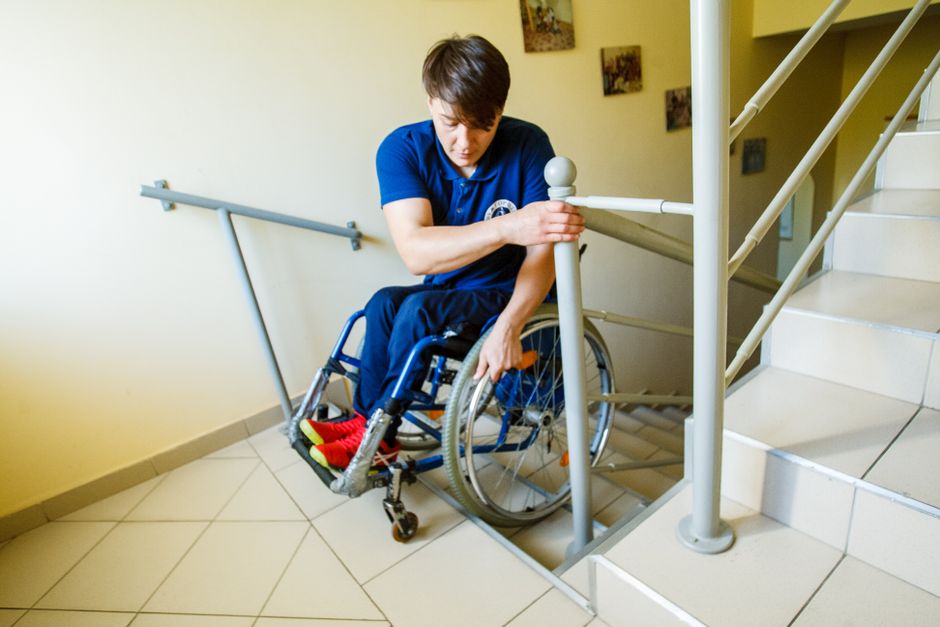
If you are planning a flat move in Tolworth, the staircase is often the part people underestimate. The van gets parked, the boxes are ready, and then reality arrives: tight turns, narrow landings, awkward bannisters, and that one sofa that suddenly looks much bigger than it did in the lounge. Flat-to-flat moves in Tolworth: stair access challenges are not just a minor inconvenience; they shape the whole move. Get them wrong and you risk delays, damaged furniture, strained backs, and a lot more stress than anyone needs on moving day.
This guide breaks the problem down in plain English. You will learn why stair access matters, how professionals plan around it, which items usually cause trouble, and what you can do before moving day to make the whole process smoother. We will also cover practical checklists, best practices, and a realistic example from a typical Tolworth flat move. Nothing fluffy. Just useful, local, real-world advice.
Why Stair Access Matters in Tolworth Flat Moves
Stair access changes everything in a flat-to-flat move. In many Tolworth properties, especially older conversions, maisonettes, and upper-floor flats, the stairwell is the narrowest route in the building. That means every item has to be measured against the real-world space available, not the space you think you have when looking from the doorway.
A move can become complicated for very ordinary reasons. A wardrobe may fit through the hallway but not around the corner. A bed frame may clear the ceiling on one landing and catch on a handrail on the next. Even a simple run of boxes can become awkward if the stairs are steep or the turns are tight. Truth be told, stair access is where many moves either stay calm or start to unravel.
It matters financially too. If access is difficult and nobody has planned for it, the move often takes longer. Longer moves usually mean more labour, more time, and more risk of avoidable damage. If you are comparing quotes, it is worth remembering that a careful assessment of access can be the difference between a smooth service and an unpleasant surprise later. For help understanding how pricing can shift, it may be useful to read how to interpret Tolworth removals prices.
Tolworth itself adds a local layer. You have a mix of apartment blocks, estate layouts, narrower residential streets, and buildings where stair access may be shared or time-limited. A move that looks simple on paper may need extra thought once you factor in parking, carrying distance, and stairwell width. That is why people often pair staircase planning with broader access planning, including local route and parking considerations. If that sounds familiar, the guide to avoiding common KT5 access problems is a sensible companion read.
How Stair Access Challenges Are Managed
Managing stair access is really a process of reducing uncertainty. A good move does not begin at the front door; it begins with measuring, observing, and planning. The mover needs to know the shape of the stairwell, the size of the furniture, the likely carrying route, and whether any items need to be dismantled before lifting starts.
Most professional teams will look at a few core points:
- Stair width and whether two people can safely carry an item side by side.
- Landing space for turning bulky pieces.
- Headroom on stairs and at the top and bottom turns.
- Handrails, banisters, and light fittings that may need protection.
- Floor condition, especially if it is polished, carpeted, or uneven.
- Distance from van to front door, which affects time and effort.
In practice, the work often starts with a decision: move the item as it is, or take it apart. Beds, wardrobes, desks, and some shelving units are the usual candidates for dismantling. That is where a little preparation saves a lot of sighing later on. If your move includes bedroom furniture, the advice in bed and mattress moving strategies can help you think through the practical side.
Heavy or awkward items are another matter. The technique matters, not just the strength of the person carrying. Controlled lifting, correct posture, and clear communication make stair moves far safer. If you want a plain-language overview of safer lifting principles, this guide to kinetic lifting is a useful place to start. And for particularly difficult pieces, such as pianos, the margin for error gets tiny fast; there is a reason people think twice before doing it themselves. You can see why in the hidden costs of DIY piano moving.
Another thing people forget is the sequence. The best moves are not random. They are ordered: protect surfaces, clear routes, lift in the right order, and avoid unnecessary backtracking. That sounds obvious, but on a busy staircase with a mattress in one hand and a laundry basket in the other, obvious goes out of the window rather quickly.
Key Benefits and Practical Advantages
When stair access is handled properly, the benefits are obvious almost immediately. The move feels calmer. There is less stopping and starting. Fewer items get scraped. And the team can keep momentum rather than making repeated corrections around corners. A stair-aware move tends to be more predictable, which is exactly what most people want on moving day.
Here are the biggest practical advantages:
- Less risk of damage to furniture, walls, paintwork, and stair rails.
- Safer lifting for everyone involved, especially with heavy or oversized items.
- Faster loading and unloading because the route has been thought through in advance.
- Better protection for shared areas in blocks and converted buildings.
- Less stress because the awkward part is no longer a surprise.
There is also a quiet benefit that people appreciate later: you arrive at the new flat with more energy. That sounds small, but after a hard stair carry, even putting the kettle on can feel like a victory. If you are the type who likes the bigger move to feel organised rather than chaotic, you may also find moving with more serenity a reassuring read.
Another advantage is that a well-planned stair move makes decluttering decisions easier. Once you realise a bulky chest of drawers is going to be difficult to carry, you may decide it is not worth moving at all. That is not defeat; it is efficiency. The guide to decluttering for a hassle-free move fits neatly here.
Who This Is For and When It Makes Sense
Stair-access planning matters for anyone moving between flats, but it becomes especially relevant in a few common situations. If you are in an upper-floor property, a converted house, or a block with narrow internal stairs, you should assume access will shape the move.
This is particularly useful for:
- tenants moving in or out of flat conversions;
- students moving to or from compact rooms or studio flats;
- couples relocating between apartments in KT5;
- people moving bulky furniture without a lift;
- anyone moving at short notice where speed and planning both matter.
For students, the stair question is often about speed and stamina. You want a move that is quick, not one that eats up an entire afternoon because a bookcase keeps snagging on every landing. If that sounds familiar, the dedicated page on student removals in Tolworth may be useful.
For families or sharers, the decision often comes down to furniture. A flat may be small, but the furniture can still be stubbornly large. Sofas, wardrobes, mattress bases, and dining tables are the usual troublemakers. If you have a lot of furniture to move, the broader furniture removals Tolworth service information can help set expectations.
And if you are only moving a few items, maybe because you are swapping rented flats across Tolworth rather than relocating a whole household, then a smaller-scale approach may be enough. A flexible man with a van in Tolworth option can be a better fit than a larger, fully loaded removal vehicle. Sometimes the simple answer is the right one.
Step-by-Step Guidance
Here is a practical way to handle a flat-to-flat move where stairs are the main challenge.
- Inspect the route early. Walk the stairwell from bottom to top. Look at turns, landings, railings, low ceilings, and any tight entry points.
- Measure the largest items. Check the width, depth, and height of the biggest pieces. Sofas, mattresses, wardrobes, and appliances usually decide the plan.
- Decide what must be dismantled. If a bed frame, table legs, or wardrobe sections can be removed safely, do it. Do not wait until the stairwell is already crowded.
- Protect the building. Use floor protection, door covers, and corner protection where needed. Shared hallways can get marked very easily.
- Pack by carry priority. Keep lighter boxes accessible and avoid making every box a heavy one. The packing order matters more than people think. A quick read of organised packing methods can help here.
- Load the van in the right sequence. Put awkward or fragile items where they can be unloaded in the best order, not buried under everything else.
- Move with a spotter if needed. One person leads, one person stabilises. Clear verbal cues matter. A simple "stop", "tilt", or "pivot" can prevent a mishap.
- Keep the landing clear. Landings are not storage spaces. If they fill up with boxes, the whole job becomes slower and riskier.
- Check each item before lifting. Loose screws, wobbly legs, hanging drawers, and unlatched doors are asking for trouble. A bit of tape goes a long way.
- Final sweep. Make sure nothing has been left behind in the stairwell, under the stairs, or by the door.
If you have bulky items that are especially awkward on stairs, it can help to read advice on moving bulky items in tight properties. The principles are similar, even if the building type is a little different.
Expert Tips for Better Results
After enough moves, certain patterns become obvious. The first is that awkward items are easier to handle before everyone is tired. That means the heaviest or most technically difficult pieces should usually be tackled early, not left until the final stretch when the stairs already feel endless.
Here are a few tips that genuinely help:
- Use furniture blankets and straps early, not after the item has already scraped the banister.
- Take photos before dismantling so reassembly is less of a headache later.
- Label hardware in small bags and tape the bags to the right item.
- Wear proper footwear with a decent grip. Slips on stairs are not rare enough to ignore.
- Keep one box of essentials separate so you are not hunting for chargers, medication, or keys at the end of the day.
- Plan for the weather. A wet morning in Tolworth can turn a front step into a hazard, even if everything else is well organised.
A small but important point: do not overpack boxes just because they are small. A box full of books can become awkwardly dense, and on stairs that makes a big difference. You do not want a box that feels like it has a brick hidden inside. A little joke, but only a little.
If you are using a professional crew, clear communication is half the battle. Explain which items are fragile, which are the heaviest, and which bits of the building are most restrictive. The more a mover understands before the first lift, the more efficient the day becomes. It is also worth checking the company's general safety approach, which should be reflected in their health and safety policy and insurance and safety information.
One more practical note: if time pressure is intense, same-day help can sometimes reduce the stress of a last-minute move, but it still needs access planning. Speed without stair planning is just rushed chaos. For those situations, same-day removals in Tolworth may be worth considering.

Common Mistakes to Avoid
The biggest mistakes are often the simplest ones. People assume the staircase will "probably be fine", then discover it is not fine at all. Or they measure the sofa but forget to measure the turn. Or they pack everything before checking how it will actually come down the stairs. It happens a lot.
- Not measuring the route from flat to van, including hallway bends and stair turns.
- Ignoring shared space rules in blocks where hallways need to be kept clear.
- Leaving dismantling until moving day, which always takes longer than expected.
- Overloading boxes so they become unsafe to carry downstairs.
- Assuming one person can manage everything. Sometimes they can, often they cannot.
- Forgetting protection materials and causing unnecessary scuffs.
- Failing to brief everyone on which items are awkward, fragile, or heavy.
There is also a mental mistake: trying to force the move to happen exactly as originally imagined. Real access problems often require a plan B. That might mean moving a sofa on its side, splitting a wardrobe into sections, or rearranging the load order. Flexibility is not a compromise; it is professional judgement.
On the packing side, people sometimes create access issues without realising it. A landing stacked with bags, an overfilled hallway, or a set of boxes placed right at the top of the stairs can turn a manageable route into a bottleneck. If you want to avoid that, the article on move-out cleaning and clearing solutions is surprisingly relevant because it reminds you to keep surfaces and routes tidy as you go.
Tools, Resources and Recommendations
You do not need an entire warehouse of equipment to handle stair access well, but the right tools make a real difference. A few basics are worth having to hand:
- furniture blankets or padded covers;
- removal straps;
- good quality tape;
- gloves with grip;
- door and corner protection;
- clear labels and marker pens;
- small screw bags for dismantled items;
- a trolley only where stairs and item type make it safe to use.
For bedding and mattresses, packing format matters more than people expect. A mattress left loose can catch on banisters or pick up dirt very quickly. If that item is part of your move, the bed and mattress guide is worth a look. Likewise, sofas often benefit from planning around size, fabric, and storage concerns; sofa storage and protection techniques can help when the item needs to wait before re-entry.
If part of your move involves temporary storage because the new flat is not ready, or because the stairs make staged movement easier, local storage can be a smart breathing space. You can check storage options in Tolworth as part of your planning. That can be especially useful for students, sharers, or anyone moving in phases.
And because a move is never just about furniture, a good set of boxes and packing materials helps too. The page on packing and boxes in Tolworth gives a straightforward starting point for organising the bits that make the whole thing less chaotic.
Law, Compliance, Standards, or Best Practice
Not every flat move involves complicated legal issues, but some common UK best-practice points are worth keeping in mind. If you live in a block, leasehold building, or managed property, there may be house rules about lift use, protection of common parts, moving hours, or booking procedures. Those are not decorative suggestions. They are there to keep the building, neighbours, and movers safe.
For that reason, a sensible mover should work with building rules rather than around them. That means checking whether the stairwell needs protection, whether the move has to be booked, and whether parking or access restrictions apply. You should also expect proper care with lifting and handling, especially where there is risk of damage or injury. In a UK context, that sits comfortably with normal health and safety expectations, even if the exact arrangements vary from one property to another.
Insurance matters too. If a company is moving furniture up or down stairs, you want to know that they take care with the building and the items. The right questions are simple ones: how do they protect walls and floors, what happens if something is damaged, and how do they manage awkward carries? If those questions are answered clearly, that is a good sign. If they are brushed aside, maybe not.
For wider trust signals, look for clear company information, transparent pricing, and accessible policies. A business that publishes straightforward details about its about us page, terms and conditions, payment and security, and accessibility statement is usually making a genuine effort to be open. That matters more than people think.
Options, Methods, or Comparison Table
When stairs are the main obstacle, there are usually a few ways to handle the move. The right choice depends on the size of the items, your budget, the building layout, and how much stress you want to carry literally and mentally.
| Approach | Best for | Pros | Trade-offs |
|---|---|---|---|
| Full-service removal team | Large furniture, multiple rooms, difficult stairs | Most efficient, safer handling, less stress | Usually costs more than a basic man-and-van option |
| Man and van with help | Smaller flat moves, fewer bulky items | Flexible, often quicker to arrange | May be less suitable for very tight stairwells or large loads |
| Self-move with friends | Very light loads, low-budget moves | Low direct cost | Higher risk of damage, injury, and delays on stairs |
| Staged move with storage | When access is limited or timing is awkward | Reduces pressure on stair carries, helps with awkward timing | Extra coordination and possible storage cost |
In Tolworth, the most practical choice is often somewhere between full-service and flexible support. If you only have a few awkward items, a smaller vehicle plus careful lifting can be enough. If you have a full household and a steep staircase, paying for a more experienced team usually saves time and frustration. There is a reason many people compare removal companies in Tolworth before settling on one route.
For broader service context, the services overview and removals Tolworth pages can help you decide whether you need a full move, a lighter local service, or something more tailored.
Case Study or Real-World Example
Picture a typical Tolworth flat move: a third-floor flat, no lift, narrow internal stairwell, one sofa, a double mattress, a bed frame, a glass table, and a stack of boxes. Nothing extreme. Just the sort of move that looks easy until the first awkward turn at the landing.
In a situation like this, the most sensible approach is often to break the job into sections. The bed is dismantled first. The mattress is wrapped. The glass table is protected and carried separately. The sofa is measured against the stairwell before anyone commits to the lift. The lighter boxes are kept ready for quick carries, and the landing stays clear so nobody has to dodge around obstacles.
That sounds straightforward, but it only works because the access challenge was treated as a planning issue, not an afterthought. The team knows what is being carried, which item is most likely to snag, and which route needs the most care. A move like this may take a little longer than a ground-floor flat, of course. But it is far less likely to end with scuffed walls, aching shoulders, and a flatful of people saying, "Well, that was more involved than expected."
For moves involving special items, such as upright instruments or other especially heavy pieces, the standard flat move approach may need more specialist thought. That is where pages like piano removals in Tolworth become relevant, because a piano and a staircase is a relationship that demands respect. No one wants to test the stairs' patience.
Practical Checklist
Use this checklist before moving day. It is simple, but it catches most of the problems people usually miss.
- Measure the largest furniture pieces.
- Check stair width, turns, and landings.
- Confirm whether any items need dismantling.
- Protect floors, walls, and railings where needed.
- Keep stairwells and landings completely clear.
- Label boxes by room and weight.
- Pack heavier items into smaller boxes.
- Set aside essentials for the first night.
- Tell the mover about fragile or awkward items in advance.
- Confirm parking and access arrangements for the van.
- Check whether any building rules apply to move-in or move-out times.
- Keep tools, tape, and screws in a separate labelled bag.
Expert summary: the fewer surprises on the stairs, the calmer the move. Measure early, dismantle where sensible, keep routes clear, and choose the right level of help for the property. That one habit saves a surprising amount of time.
Conclusion
Flat-to-flat moves in Tolworth are rarely difficult because of one giant problem. More often, they become difficult because lots of small access issues add up: a tight turn here, a low ceiling there, a sofa that is just a bit too ambitious, and a staircase that seems to shrink the moment the lifting starts. The good news is that these problems are manageable when you plan for them properly.
Once you treat stair access as part of the move, not a side note, everything gets easier. The packing gets smarter. The lifting gets safer. The route gets clearer. And the whole day feels more controlled, which is probably what you wanted in the first place.
If you are weighing up your options, looking for local help, or simply want a move that feels properly organised from the start, take the time to compare what is needed rather than guessing. That small bit of planning can make a big difference, and honestly, it is one of the best ways to protect both your furniture and your sanity.
Get a free quote today and see how much you can save.