Tolworth Waste Disposal: Kingston Council Rules & Fines
Posted on 12/07/2026

Tolworth Waste Disposal: Kingston Council Rules & Fines
If you live, move, or run a small business in Tolworth, waste disposal can feel deceptively simple right up until something goes wrong. A bin is missed, a bulky item is left out too early, a van blocks the wrong place, and suddenly you are dealing with Kingston Council rules, possible fines, and a lot of unnecessary stress. This guide to Tolworth Waste Disposal: Kingston Council Rules & Fines explains the practical side of staying compliant, avoiding penalties, and handling rubbish in a way that is safe, sensible, and local-reality friendly.
Let's face it, nobody wants a mess hanging around outside a property after a move, clear-out, or student handover. And nobody wants to discover that a tidy-looking pile on the kerb can still count as an offence. Below, you'll find the how, why, and what to do next - in plain English, with a few real-world tips that are actually useful when you are standing in a hallway with boxes stacked to the ceiling.
Why Tolworth Waste Disposal: Kingston Council Rules & Fines Matters
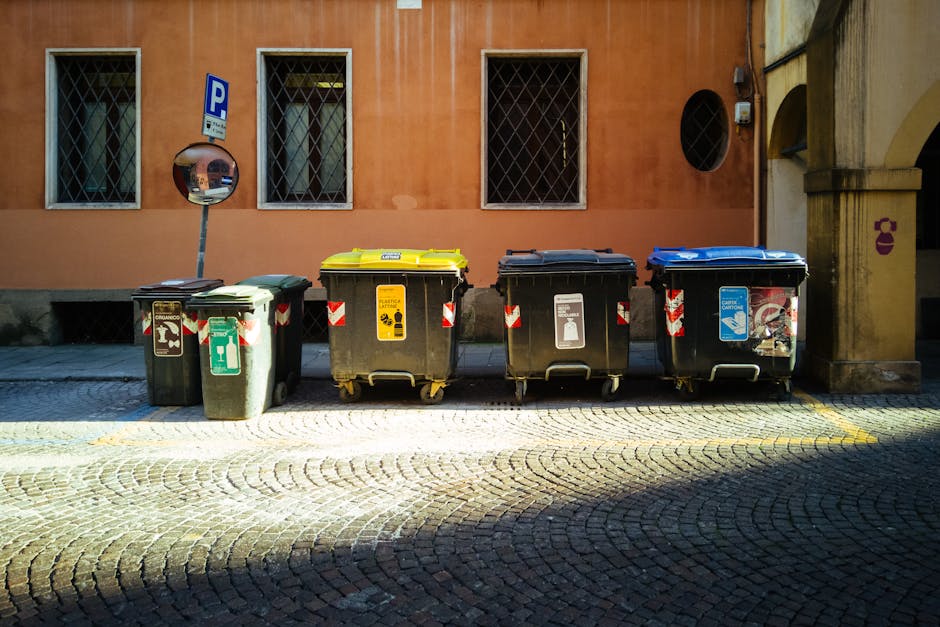
Waste disposal rules matter because they protect the local area, keep pavements usable, reduce fly-tipping, and make collection systems work properly. In Tolworth, that matters even more during moves and clear-outs, when people are dealing with awkward items, tight parking, narrow streets, and a hundred little tasks at once. One mistake can create a bigger problem than the rubbish itself.
The most common issue is not dramatic criminal behaviour. It is ordinary people making ordinary assumptions. "It's only there for an hour." "The bin crew will take it." "That mattress is next to the bin, so surely it counts." Those assumptions are where fines and complaints tend to start. A missed collection can also become a neighbour issue very quickly, especially in flats and terraced streets where space is already at a premium.
There is also a financial angle. If you get disposal wrong, you may face removal costs, contractor charges, or a penalty that would have been avoidable with a ten-minute check. That is a frustrating way to spend money. If you are already budgeting for a move, you may find confusing quotes and local removal pricing are enough of a headache without adding waste issues on top.
Expert summary: the safest approach is simple: separate your waste early, keep public spaces clear, and treat anything bulky, hazardous, or uncertain as something that needs a proper disposal plan rather than a guess.
How Tolworth Waste Disposal: Kingston Council Rules & Fines Works
In practical terms, Kingston Council's waste rules are designed to control what goes in household bins, what goes to recycling, what must be taken to a suitable disposal point, and what should never be left on the street without the right arrangement. The exact process depends on the type of waste, where it is being placed, and whether you are using council services, a licensed waste contractor, or handling the item yourself.
For most Tolworth households, the process falls into a few broad buckets:
- Routine household waste - items that fit the normal collection system and are presented correctly.
- Recycling - clean, accepted materials separated as required.
- Bulky waste - larger items such as furniture, mattresses, or appliances that often need a dedicated collection or proper drop-off plan.
- Trade or commercial waste - waste from business activity, which needs its own compliant handling.
- Special or hazardous items - anything that needs extra care, such as chemicals, batteries, electrical waste, or sharp materials.
Where fines come in is usually pretty predictable. They are linked to behaviour that creates illegal dumping, public obstruction, contamination of recycling, misuse of bins, or failure to deal with waste responsibly. Sometimes the fine is issued for the person who leaves waste behind. Sometimes it follows a business or contractor if they have not managed waste properly. The detail matters, but the principle is the same: if rubbish ends up where it should not be, somebody may be held accountable.
There is a small but important difference between a legal waste placement and a convenient one. If you are moving out of a flat and set a sofa beside the communal bins because "it will be obvious," that is not the same as arranging removal through the right channel. You know how this goes - it looks harmless, until it isn't.
If your move involves larger furniture, it can help to plan in advance using local access-aware guidance such as moving bulky items in Tolworth terraced properties and flat-to-flat stair access challenges. Waste and removals often overlap; the smoother the removals plan, the less likely waste is to spill into the street or hallway.
Key Benefits and Practical Advantages
Following the rules is not only about avoiding fines. Done properly, waste disposal gives you a cleaner move, fewer delays, less neighbour friction, and a calmer end-of-tenancy handover. There is a real sense of relief when the last bag is gone and the place is actually clear, not just "mostly clear."
- Lower risk of fines because waste is handled in the right channel.
- Cleaner properties and shared spaces especially in blocks and converted houses.
- Less stress on moving day because rubbish is not mixed up with keep, donate, and transport piles.
- Better recycling outcomes when materials are separated correctly.
- Faster handovers for landlords, agents, and buyers who expect a clear property.
- Safer lifting and handling because broken bags, sharp packaging, and awkward rubbish are less likely to be moved twice.
Another benefit people overlook is time. If you organise waste early, you avoid that last-minute "we'll just deal with it tomorrow" situation that turns into an expensive scramble. A Tuesday evening clear-out, for example, can save a Saturday morning panic. Not glamorous, admittedly. But very effective.
For people in Tolworth managing a larger move, a structured approach works especially well with decluttering before the move and organised ways to pack when moving. Less clutter usually means less disposal cost and fewer compliance headaches.
Who This Is For and When It Makes Sense
This topic matters to a wide range of people, not just homeowners with a garage full of broken things. In Tolworth, the practical audience is broader than that.
- Tenants clearing out a flat before checkout.
- Homeowners replacing furniture or appliances.
- Students finishing term and dealing with mixed waste, packaging, or unwanted items.
- Landlords and letting agents who need properties left tidy and compliant.
- Small businesses removing office waste or surplus furniture.
- Anyone arranging a local move where clearance and removal need to happen together.
It makes sense to think about waste rules at the same time as your moving plan if your property has limited parking, shared access, or awkward stairways. In those situations, waste left in the wrong place can block routes, cause friction with neighbours, and delay the entire schedule. If you are moving through narrow streets or dealing with tight roadside space, local planning matters even more, which is why people often look at access for narrow Tolworth streets and Tolworth Broadway routes and parking tips alongside waste planning.
In short, if you have any waste that is bulky, mixed, or awkward to place, this is for you. If your bins are overflowing and you are thinking, "I'll sort it later," this is also for you. Later has a habit of turning into a fine.
Step-by-Step Guidance
Here is the simplest way to stay on the right side of Tolworth waste disposal expectations without overcomplicating it.
- Sort everything into categories. Keep items for reuse, recycling, donation, disposal, and special handling separate. A few cardboard boxes in the wrong pile can create more mess than you expect.
- Identify bulky or restricted items early. Sofas, beds, mattresses, fridges, freezers, TVs, and building waste often need different handling. If you are unsure, treat it as a special case rather than a normal bin item.
- Check timing before you put anything out. Waste placed too early can obstruct pavements or attract complaints. Timing matters, especially in shared housing.
- Use the correct collection route. That might mean a council collection, a licensed clearance service, or a trip to a proper facility. The wrong shortcut is where people get caught out.
- Keep public areas clear. Hallways, entrances, and pavements should remain usable. If your pile makes people squeeze sideways, it is probably too much for a public place.
- Get proof where needed. For business clearances or larger jobs, keep records of what was removed and by whom. It is boring paperwork, yes, but useful if questions come up later.
- Leave the site tidy. Sweep loose debris, flatten cardboard, remove tape, and check for screws or broken glass. The final five minutes often make the biggest difference.
A small reality check here: a neat pile is still a pile. If it is not meant to be there, or if it blocks access, it can still become a problem. That simple distinction catches people out more often than you'd think.
When removals and waste are happening at the same time, a good packing and clearance rhythm helps. It can be worth reading cleaning solutions for a move-out and how to keep the house-moving process calm, because clean, ordered spaces are much easier to assess for what should be removed, recycled, or kept.
Expert Tips for Better Results
After working around enough moves and clear-outs, a pattern becomes obvious: people rarely get fined for being careless once. They get fined for being careless in a predictable way. The same little mistakes keep happening. So the best tips are practical, not glamorous.
- Decide the waste plan before moving day. If you wait until the van is outside and the clock is ticking, you will make poorer decisions.
- Use labels that make sense at a glance. "Keep," "charity," "recycle," "tip," and "unsafe" are simple labels that actually get used.
- Break down items where possible. Flat-pack furniture, dismantled bed frames, and collapsed boxes are easier to dispose of correctly.
- Never assume an item is harmless because it is small. Batteries, paint tins, oils, and some electrical items can still need special care.
- Plan for rain and bad weather. A damp pile on the pavement turns into a slippery, untidy nuisance very quickly. London weather, eh.
- Keep neighbours in mind. In shared entrances and terrace rows, one person's "temporary staging area" is often another person's blocked path.
For heavier or awkward items, try to reduce the amount of manual handling needed. Good lifting technique and the right equipment can lower the chance of damage and injury. The practical side of this is explained well in what makes kinetic lifting effective and how to become a lone lifter for heavy objects. Not every disposal task should become a hero moment. Truth be told, most shouldn't.
If you are storing anything temporarily before disposal, make sure it is safe and dry. That is especially true for appliances. The guidance in storing a freezer when it is not running and maximising space when storing your freezer can help if you need to stage items before collection or removal.
Common Mistakes to Avoid
This is the section that saves people money. Most mistakes are completely avoidable, but they happen because the job feels small at the time. Waste looks like a side task, until it isn't.
- Leaving bulky waste by communal bins without a proper collection plan.
- Mixing recyclables with general waste because it is faster in the moment.
- Putting items out too early and blocking access routes.
- Assuming a van load can be dumped anywhere once it has been moved off the property.
- Ignoring hazardous items such as batteries, paints, or broken electrical goods.
- Not checking who is responsible when contractors, tenants, or landlords are involved.
- Forgetting the final sweep for screws, shards, and packaging film.
One especially common problem is furniture disposal during a move. A bed frame is stripped apart, the mattress is outside, cardboard is in the hallway, and someone says "I think the council will take it." Maybe, maybe not. If you are dealing with beds or mattresses, have a look at bed and mattress strategies for moving so those items do not become a last-minute nuisance.
Another common slip is overconfidence. People think, "It'll be fine for one night." Sometimes it is. Sometimes it turns into a neighbour complaint or a missed-collection issue. That gap between "fine" and "problem" is where the fines live.
Tools, Resources and Recommendations
You do not need a warehouse of equipment to dispose of waste properly, but a few simple tools make the job smoother and safer.
- Heavy-duty bin bags for sorting general waste safely.
- Marker pens and labels for quick category marking.
- Gloves for handling broken packaging, dusty items, and mixed waste.
- Tape, scissors, and a utility knife for breaking down boxes and dismantling furniture safely.
- Furniture blankets or straps if you are moving items before disposal.
- Trolleys or sack trucks for heavier loads and repeated runs.
- Simple checklists for end-of-tenancy or pre-move clear-outs.
In some cases, it is also worth using a professional removal service that can help with both moving and unwanted item clearance. That can be especially sensible if your waste includes large items, awkward access, or time-sensitive collections. If you are comparing options, the pages on services overview, removals in Tolworth, and man with a van in Tolworth may help you think through the most practical route for your situation.
For people moving out of smaller homes, the combination of packing support and waste sorting can be especially efficient. The guides on packing and boxes in Tolworth and storage in Tolworth are worth keeping in mind if you need to store items temporarily rather than disposing of them immediately.
Law, Compliance, Standards, or Best Practice
Waste disposal in the UK is shaped by a mix of council rules, environmental duties, and general legal expectations around keeping public land clear and preventing fly-tipping. The exact wording and enforcement approach can change over time, so it is always sensible to check current local guidance before you place anything out. That caution matters. Especially in a busy area like Tolworth, where one property's waste can become everyone else's obstruction.
The main compliance principles are straightforward:
- Do not deposit waste where it does not belong. That includes pavements, verges, communal entrances, and other shared spaces without permission or proper arrangement.
- Separate waste correctly. Contaminating recycling or mixing unsuitable materials can create avoidable problems.
- Use lawful disposal routes. Waste should be handled by the resident, landlord, business, or a properly arranged contractor.
- Be careful with duty of care. If you hire someone to remove waste, basic due diligence matters. You want to know the waste is being handled responsibly.
- Respect health and safety. Damaged items, sharps, and heavy objects need sensible handling.
Best practice is not about being perfect. It is about being predictable and responsible. If you have mixed waste from a move, a declutter, or an office clearance, sort first and act second. That simple habit prevents a lot of bad decisions made under pressure.
For businesses or households using a third party, trust and safety matter too. The pages on health and safety policy, insurance and safety, and recycling and sustainability can help reassure you that safety, compliance, and responsible handling should sit together, not be treated as separate conversations.
Options, Methods, or Comparison Table
Different waste situations call for different solutions. Here is a simple comparison to help you choose the right route.
| Method | Best for | Strengths | Potential downside |
|---|---|---|---|
| Household bin and recycling system | Everyday waste, clean recycling, routine disposal | Convenient, familiar, usually low effort | Limited capacity; not suitable for bulky items |
| Bulky waste collection | Large furniture, mattresses, unwanted appliances | Practical for bigger items; reduces kerbside clutter | May need booking and timing discipline |
| Licensed removal or clearance service | Moves, clear-outs, awkward access, mixed loads | Saves time; handles lifting and transport | Costs more than doing nothing, which is fair enough |
| Temporary storage before disposal | Phased moves, uncertain decisions, delayed handovers | Buys time; avoids rushed disposal decisions | Needs organisation so items do not linger |
In real life, many people use a mix of these. For example, a family might recycle packaging, arrange a bulky item collection for a sofa, and store a freezer for later removal. That is normal. The key is making each item's path clear from the start.
Case Study or Real-World Example
A typical Tolworth scenario goes like this. A tenant is moving out of a first-floor flat near a busy road. There is a bed frame to dismantle, a mattress, several boxes of broken packaging, and a couple of old chairs that no longer fit in the new place. At first, the plan is to "put it outside after the van leaves." That feels quick. It is not a great idea.
Instead, the tenant sorts the items two days earlier. Cardboard is flattened and recycled. The bed frame is dismantled and set aside. The mattress is identified for proper collection rather than being left by the bin. The chairs are checked to see whether they can be reused, donated, or removed through a proper route. By moving the rubbish plan forward, the actual moving day stays clean, the hallway is clear, and the final inspection is much smoother.
There is a nice side effect too: the tenant feels less panicked. The room does not have that half-packed, half-abandoned look that makes everyone sigh. You can almost hear the difference - fewer thumps, fewer rushed footsteps, fewer "where did I put that?" moments.
If the items are awkward or heavy, the tenant uses proper lifting techniques and help where needed. They also avoid the classic trap of trying to be a hero at 8:30 in the evening. Sensible, really.
That sort of planning is also why some movers look into same-day Tolworth removals when schedules are tight. A faster removal can be useful, but only if waste and packing are still handled properly.
Practical Checklist
Use this checklist before putting anything out or arranging removal. It is simple on purpose.
- Have I separated keep, donate, recycle, and dispose items?
- Do any items need special handling, booking, or a separate collection?
- Will anything be left on a pavement, shared entrance, or communal area?
- Is the timing of disposal appropriate and unlikely to cause obstruction?
- Have I broken down bulky items where safe to do so?
- Are batteries, liquids, sharp objects, and electrical goods treated correctly?
- Have I kept walkways and exit routes clear?
- Do I know who is responsible if this is a rented or managed property?
- Have I taken photos or notes if evidence of clearance is likely to be useful later?
- Have I checked whether a licensed removal or clearance service would be the cleaner option?
If you can tick most of those off, you are in good shape. If not, pause and sort it properly. A short delay now is far better than a complaint later.
Get a free quote today and see how much you can save.
Conclusion
Tolworth waste disposal is one of those things that looks straightforward until you are standing in front of a pile of boxes, a tired sofa, and a deadline that is suddenly very real. Kingston Council rules and fines exist to keep the area clean, safe, and workable, but the practical takeaway for most people is simple: sort early, dispose properly, and do not leave waste where it can cause a problem.
If you are planning a move, a declutter, or a property handover, the best results usually come from treating waste as part of the move rather than an afterthought. That one mindset shift saves time, keeps neighbours happier, and reduces the risk of avoidable fines. Not a bad return for a bit of organisation.
And if the whole thing feels like a lot, that is normal too. Start with one room, one category, one bag. It all adds up, and before long the place looks lighter, calmer, and ready for whatever comes next. That moment - when the space finally breathes again - is worth it.