Kingston Council Permits for Tolworth Loading Bays
Posted on 04/07/2026
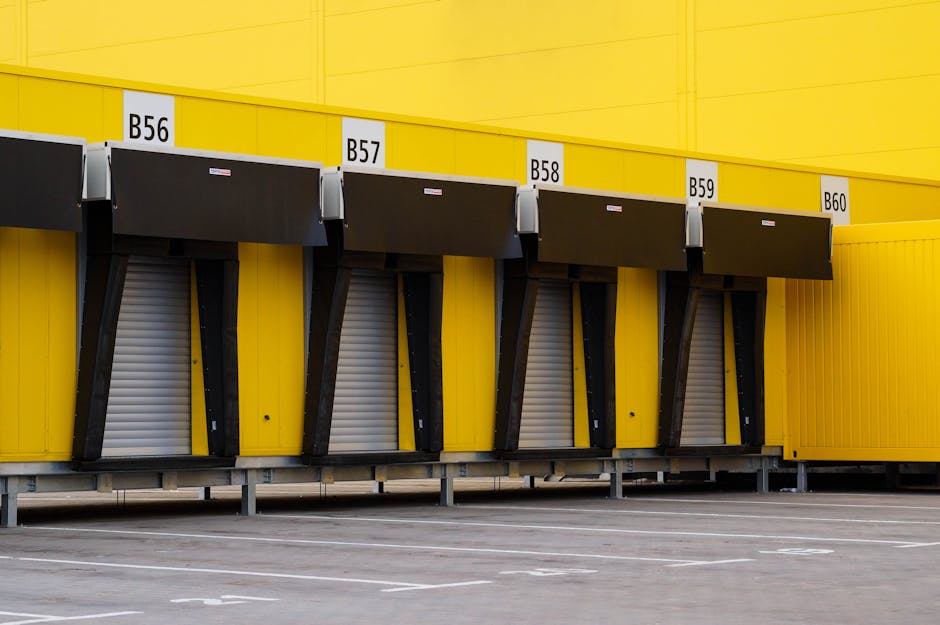
Kingston Council Permits for Tolworth Loading Bays: A Practical Guide for Smooth, Legal Loading in KT5
If you are moving in Tolworth, there is a good chance the hardest part is not lifting the sofa or carrying the boxes. It is the parking. Narrow streets, busier roads, limited kerb space, and a van that needs to stop exactly where you do not want it to stop can turn a simple move into a small traffic drama. That is where Kingston Council permits for Tolworth loading bays come in. Used properly, they help you load and unload legally, safely, and with far less stress.
In this guide, we will unpack how loading bay permissions work, when you actually need them, what can go wrong, and how to plan a move that does not stall at the kerb. We will also cover best practices for Tolworth homes, flats, and business moves, with a few local realities thrown in. Because let's face it, a permit is only useful if you know how to use it well.
Why Kingston Council Permits for Tolworth Loading Bays Matters
Loading bays exist for a reason: they keep traffic moving while still giving drivers a legal place to stop for short, operational tasks. In Tolworth, that matters more than most people expect. A property may look easy enough to access on a map, but once you arrive, there may be yellow lines, timed restrictions, shared bays, or a bay that is already occupied by someone else.
For household moves, this can affect everything from the first box to the last mattress. For businesses, it can mean a delivery window slips by while the van circles the block. For anyone using a man with a van in Tolworth, the loading point is often the difference between an efficient job and one that drifts into delays, extra carrying distance, and, frankly, a bit of grumbling from everyone involved.
The big issue is not just convenience. Parking in the wrong place can lead to fines, complaints from residents, or being forced to move the vehicle halfway through the job. That is awkward at best. At worst, it creates a chain reaction: the crew loses time, access gets blocked, and fragile items are handled more often than they should be.
There is also the local context. Tolworth includes a mix of flats, estates, terraced streets, and busier through-routes. That patchwork makes parking strategy just as important as packing strategy. If you have ever tried to get a van into position while watching the clock and checking mirrors every two seconds, you will know the feeling. Not exactly a calm start to moving day.
How Kingston Council Permits for Tolworth Loading Bays Works
In simple terms, a loading bay permit or dispensation allows a vehicle to stop in a designated loading area for the purpose of loading or unloading, subject to local rules. The exact process and conditions can vary depending on the street, the bay, the time of day, and the type of vehicle involved.
Some loading bays are available only during certain hours. Some are shared with short-stay parking. Others are controlled by local restrictions that make a permit essential if the vehicle is going to remain in place long enough to complete the job. For a removals van, this can be especially relevant where there is no private drive or safe off-road space.
What usually matters most is:
- where the van will stop
- how long it needs to stay there
- whether the bay is marked for loading only
- if the bay is time-restricted
- whether the vehicle fits the permitted use
- whether the move risks blocking access for others
For local moves, the permit decision is often less about paperwork in the abstract and more about practical fit. A flat move in a tight road is not the same as a quick drop-off on a wider street. That is why experienced movers look at the access picture early, not after the van has already arrived with the kettle boxed and the stopwatch running.
If you are planning a larger move, it helps to pair parking planning with the rest of your preparation. Our guide to organised and efficient packing is a useful companion, because the less time spent hunting for items, the less time the vehicle has to sit in a restricted space.
Key Benefits and Practical Advantages
The main value of getting the parking side right is simple: it makes the whole move easier. But there are a few specific advantages worth spelling out.
1. Better access close to the property
Loading bay use reduces the walking distance between the van and the front door. That may sound minor, but across multiple trips it can save real time and physical effort. In a flat move, especially, every extra metre counts.
2. Lower risk of fines or complaints
Staying within the rules helps avoid civil penalties and awkward conversations with neighbours or traffic wardens. No one wants to finish moving and then discover the day has become expensive.
3. Safer handling of bulky items
When the van is parked legally and sensibly, the team can concentrate on lifting and carrying rather than rushing. That is especially important for heavy or awkward items such as wardrobes, beds, or upright instruments. If you are moving something challenging, it is worth reading the hidden costs of DIY piano moving and what makes kinetic lifting effective to understand why controlled access matters so much.
4. Better schedule control
When access is planned properly, arrival times are more dependable. That helps if you have a key handover, a building slot, or a same-day schedule to keep. Small window, big difference.
5. Less stress on move day
This one is easy to underestimate. People often think stress comes from the boxes or the cleaning. Often, it is the uncertainty around parking and access that gnaws away at you all morning.
Expert summary: The best loading-bay plan is the one that reduces walking distance, avoids repeat repositioning, and keeps the move legally parked from the moment the van arrives. That is the real win.
Who This Is For and When It Makes Sense
Not every move needs a loading bay permit, and that is worth saying clearly. Sometimes a property has a driveway. Sometimes the bay is clearly available without extra permission. Sometimes the job is brief and light enough that a different option works better.
But Kingston Council permits for Tolworth loading bays are typically worth considering if you are:
- moving from a flat with no off-street parking
- using a larger removals van that needs close access
- delivering bulky goods to a shop or office
- handling multiple trips with heavy furniture
- moving during a busy time of day when kerb space is scarce
- working on a narrow road or estate where stopping is tricky
If you are moving into or out of a first-floor flat, the case becomes stronger. That extra stair distance makes access planning far more important. Our flat removals Tolworth page is useful context if your move involves tighter entry points and less forgiving parking.
Student moves can also be deceptively tricky. They are often smaller, yes, but they tend to happen on tight deadlines and around term dates, which can make parking and time management more chaotic than people expect. That is why student removals in Tolworth often benefit from very early access planning.
Step-by-Step Guidance
If you want the simplest route through the process, follow this sequence. It is not glamorous, but it works.
- Assess the property access early. Check whether there is safe off-street parking, a loading bay nearby, or a likely need for special permission. Do this before you start booking boxes and van time.
- Identify the most realistic stopping point. Look at the actual street, not just the map. A road that appears generous online can be cramped on arrival, especially around school runs or commuter hours.
- Estimate loading time honestly. Be conservative. A one-bedroom flat with stairs and a few bulky pieces often takes longer than people hope. Truth be told, most moves do.
- Confirm any bay conditions. Check whether the bay is loading-only, time-limited, or shared. If there is any doubt, assume the restriction matters.
- Match the vehicle to the access. A smaller vehicle may be easier to place than a large van, especially on busier Tolworth roads. If you are weighing vehicle size and access, a suitable removal van in Tolworth can make a noticeable difference.
- Prepare the load for fast turnaround. Items should be boxed, labelled, and ready before the van arrives. A loading bay is not the place for last-minute tape battles.
- Keep proof and paperwork handy. If a permit or authorisation is needed, keep it easy to show if challenged.
- Build in a backup plan. If the bay is occupied, know your alternate stopping point. One minute of planning saves ten minutes of circling.
If the move is time-sensitive, using same-day removals in Tolworth can help, but only if the parking plan is equally tight. Fast does not work well with vague access arrangements.
Expert Tips for Better Results
A few small habits make a big difference. These are the kinds of details people often miss until moving day, when the clock is already ticking.
Keep one person focused on access, not lifting
In a busy move, one person should be watching the outside conditions: bay availability, pedestrians, reverse clearance, and any parking changes. That frees everyone else to concentrate on carrying safely.
Use the quietest loading window available
Mid-morning or early afternoon is often calmer than the school-run or commuter rush. This is not a hard rule, just a practical observation. The street sounds different, almost less frantic, when traffic pressure drops a bit.
Label what should come off first
If the van is parked in a loading bay for a limited window, the first items off should be the ones needed immediately. A clearly marked essentials bag avoids repeated rummaging.
Pair parking with packing discipline
Moving and packing are joined at the hip. A neatly packed load makes bay time more efficient. If you want a practical refresher, see packing and boxes in Tolworth for a useful local angle.
Think about stairs and carrying routes
The permit may solve the kerbside issue, but it does not solve the hallway issue. Long internal routes, awkward corners, and small lifts still need planning. Beds and mattresses are a classic example; they seem simple until you turn the corner and realise the landing is narrower than memory suggested. For that, bed and mattress moving strategies can be surprisingly helpful.
Don't overload the van because parking was easy
Easy access can tempt people into overfilling. Resist that urge. Safer loads are faster loads, and faster loads are far better when a bay is time-bound.
If you are relocating a whole house, a more structured approach is usually better than improvising. Our house removals Tolworth page sits naturally alongside this topic because parking planning is part of house removals, not just a side issue.

Common Mistakes to Avoid
Most problems with loading bays are avoidable. The frustrating part is that they tend to happen for the same few reasons, over and over again.
- Assuming the bay is fine because it is empty. Empty does not mean unrestricted.
- Underestimating loading time. A quick job can become a slow one the moment stairs or tight turns appear.
- Parking too far away. This creates extra handling and increases the chance of damage.
- Ignoring resident access needs. Blocking a shared route can create immediate conflict.
- Forgetting about vehicle size. A bay that suits a car may not suit a long wheelbase van.
- Leaving packing unfinished. If the van is waiting, the bay clock is still running.
- Not checking for nearby restrictions. Red lines, school restrictions, and event-related controls can catch people out.
One common local mistake is relying on instinct rather than the actual street layout. Tolworth has pockets where parking seems obvious until you discover a bus stop, a junction, or a tight bend eats up the exact space you hoped to use. There is a reason people mention Tolworth Broadway routes and parking tips so often. The road can look straightforward on paper, and then real life says otherwise.
Another mistake is leaving the access plan to the last call of the morning. By then, everyone is already busy. Better to sort it the day before, honestly.
Tools, Resources and Recommendations
You do not need a huge toolkit, but a few things make loading-bay work much smoother.
- Printed move plan: A simple page showing arrival time, loading point, entry route, and emergency contacts.
- Labelling system: Clear room labels speed unloading and reduce repeated trips.
- Protective materials: Covers, blankets, stretch wrap, and tape help bulky items survive the handoff.
- Measuring tape: Useful for checking van access, doorway widths, and awkward corners before moving day.
- High-visibility awareness: If you are loading near live traffic, visibility matters more than people think.
- Spare keys and access notes: No one wants to be locked out while the van idles outside. It happens, and usually at the worst moment.
For tougher items, specialist handling is often worth it. If your move includes sofas, fragile furniture, or awkward pieces, you may want to read furniture removals in Tolworth and moving bulky items in terraced properties. Both connect directly to the access challenges that loading bays are supposed to ease.
If you are deciding between services, the services overview can help you understand how different types of move support fit together. That matters more than people expect when parking conditions are tight.

Law, Compliance, Standards, or Best Practice
Parking and loading in London sits within a wider framework of traffic management, local restrictions, and safe working practice. You do not need to be a legal specialist to get it right, but you do need to respect the signs, time limits, and any permit conditions that apply.
The safest approach is to treat loading bays as operational space, not general parking. That means keeping the vehicle within the allowed purpose, not overstaying, and avoiding unnecessary obstruction. If the rules are unclear, it is wiser to verify them in advance rather than assume common sense will be enough. Sometimes it is, sometimes it really is not.
From a best-practice standpoint, a good move should also reflect:
- safe manual handling for staff and helpers
- clear route planning to avoid blocking others
- respect for residents and businesses sharing the street
- appropriate insurance and safety awareness for the vehicle and goods
If you are comparing movers, it is sensible to ask how they manage access, parking pressure, and loading safety. A reliable provider should be able to explain how they reduce risk, not just how they lift. Our insurance and safety page and health and safety policy are relevant reads if you want to understand what responsible moving practice looks like.
And if you are reviewing the finer details of service terms, the terms and conditions can be helpful, especially where timing, access, or customer responsibilities are concerned. No one loves that paperwork, but it beats surprises.
Options, Methods, or Comparison Table
There is more than one way to handle access in Tolworth. The right choice depends on the property, the schedule, and how much carrying distance you can tolerate without turning the move into an endurance test.
| Approach | Best for | Pros | Trade-offs |
|---|---|---|---|
| Use an existing loading bay | Short, well-defined loads near the property | Fast access, minimal carrying distance | May be time-limited or shared |
| Apply for a permit or dispensation | Moves needing a controlled stop | More certainty, better compliance | Requires planning and correct timing |
| Use a smaller van and alternate parking | Narrow streets or crowded roads | Easier manoeuvring, fewer access issues | More carrying distance, potentially more trips |
| Stage items from inside first | Busy streets or fragile time windows | Reduces kerbside waiting time | Needs coordination and a prepared team |
In many Tolworth jobs, the sweet spot is a small, careful combination of these methods. You might use the nearest legal bay, run a disciplined loading sequence, and keep a backup parking option ready. That is often better than aiming for perfection and getting none of it. If you need a faster local collection, same-day Tolworth removals and costs is worth a look because speed and access usually go hand in hand.
Case Study or Real-World Example
Picture a move from a second-floor flat near a busier Tolworth road. The resident has one sofa, a bed frame, several boxes, and a fridge freezer. No driveway. No spare space outside the building. Classic headache territory.
Instead of hoping for the best, the move is planned around a loading bay close to the entrance. The van arrives within the planned window, the heaviest items are loaded first, and the most fragile boxes are kept separate. One person stays outside watching the bay situation while the others carry. There is no repeated repositioning, no hurried dash across the road, and no awkward argument with another driver about who was there first.
Now compare that with the improvised version: the van parks half a street away, the sofa is carried further than it should be, and the team has to stop twice because a narrow gate and a parked car block the route. Same furniture. Same people. Very different result.
This is why parking and loading access are not side notes. They are part of the move itself. If your route includes estates or tighter housing layouts, KT5 estate access problems and narrow Tolworth street access give a useful sense of how local conditions can shape the whole day.
A final small observation: the jobs that feel easiest are usually the ones where the parking was solved before the first box moved. Funny how that works.
Practical Checklist
Use this checklist before moving day. It is simple, but it catches the mistakes people most often make.
- Check whether the property has off-street parking
- Inspect the nearest loading bay in person if possible
- Confirm any time restrictions or operational rules
- Estimate how long loading and unloading will really take
- Measure bulky furniture and doorways
- Prepare labels, tape, covers, and essentials bags
- Decide who will monitor access and traffic outside
- Set a backup parking option
- Keep any permission or permit details accessible
- Pack fragile and urgent items separately
- Plan the order in which items will leave the property
- Review the route for narrow turns, corners, or busy junctions
If you are still at the early planning stage, understanding Tolworth removals prices can also help you compare options properly, because access complexity often affects the true cost more than the headline figure.
Conclusion
Kingston Council permits for Tolworth loading bays are not just a bureaucratic detail. They are part of the practical machinery that keeps a move legal, efficient, and far less stressful. When access is planned well, everything else gets easier: the carrying, the timing, the loading, the unloading, even the mood in the room.
The key is to think about parking as early as you think about packing. In Tolworth, that single decision can save time, reduce risk, and help you avoid the kind of day that makes everyone wish they had started two hours earlier. A bit of planning goes a long way. More than a bit, actually.
Get a free quote today and see how much you can save.
And if you are standing on the kerb tomorrow morning with a mug of tea in one hand and a tape measure in the other, take a breath. A well-planned loading bay can turn a messy move into a manageable one, and that is a small win worth having.